Meltblown nonwovens offer tighter fiber webs for high-efficiency filtration, while spunbond provides structural strength and lower cost. Choose meltblown for fine particle capture and spunbond for structural support. The right selection depends on pressure drop, durability, and filtration depth.
- Meltblown nonwovens deliver finer fiber networks for better filtration efficiency at the cost of higher pressure drop.
- Spunbond nonwovens provide structural integrity and lower cost, making them suitable for pre-filters or load-bearing filtration layers.
- Supplier comparison must cover fiber diameter, web thickness, basis weight, and batch consistency rather than just material type.
- Hybrid laminates combine both types to balance filtration depth, pressure drop, and mechanical stability.
Understanding the Fiber Structure
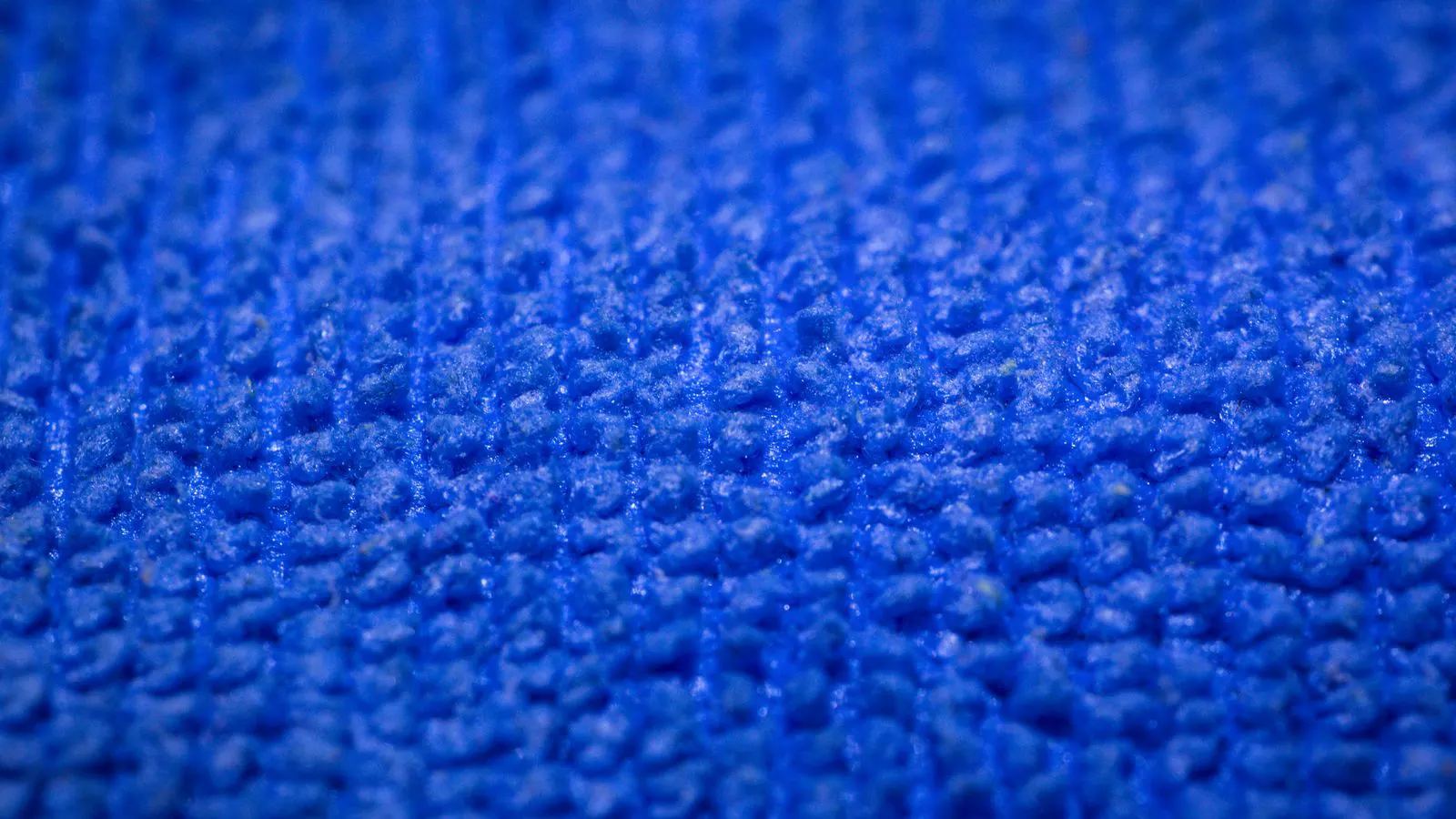
Meltblown nonwovens form from molten polymer extruded through fine orifices into a high-velocity air stream. The fibers are extremely fine, often in the sub-micron to low-micron range, and deposit randomly on a substrate. The result is a dense, interlocking web with small pore sizes. The random orientation of the fibers creates a three-dimensional network that traps particles through interception, impaction, and diffusion. The small pore size is a direct result of the fiber diameter. When the polymer melts and passes through a nozzle smaller than the fiber diameter, it stretches into a thin filament. As the filament cools in the air stream, it solidifies before it can relax. This rapid solidification locks in the thin diameter. The web density, measured as mass per unit area, determines how tightly these fibers pack. Higher density means fewer gaps between fibers, which improves capture efficiency but restricts airflow.
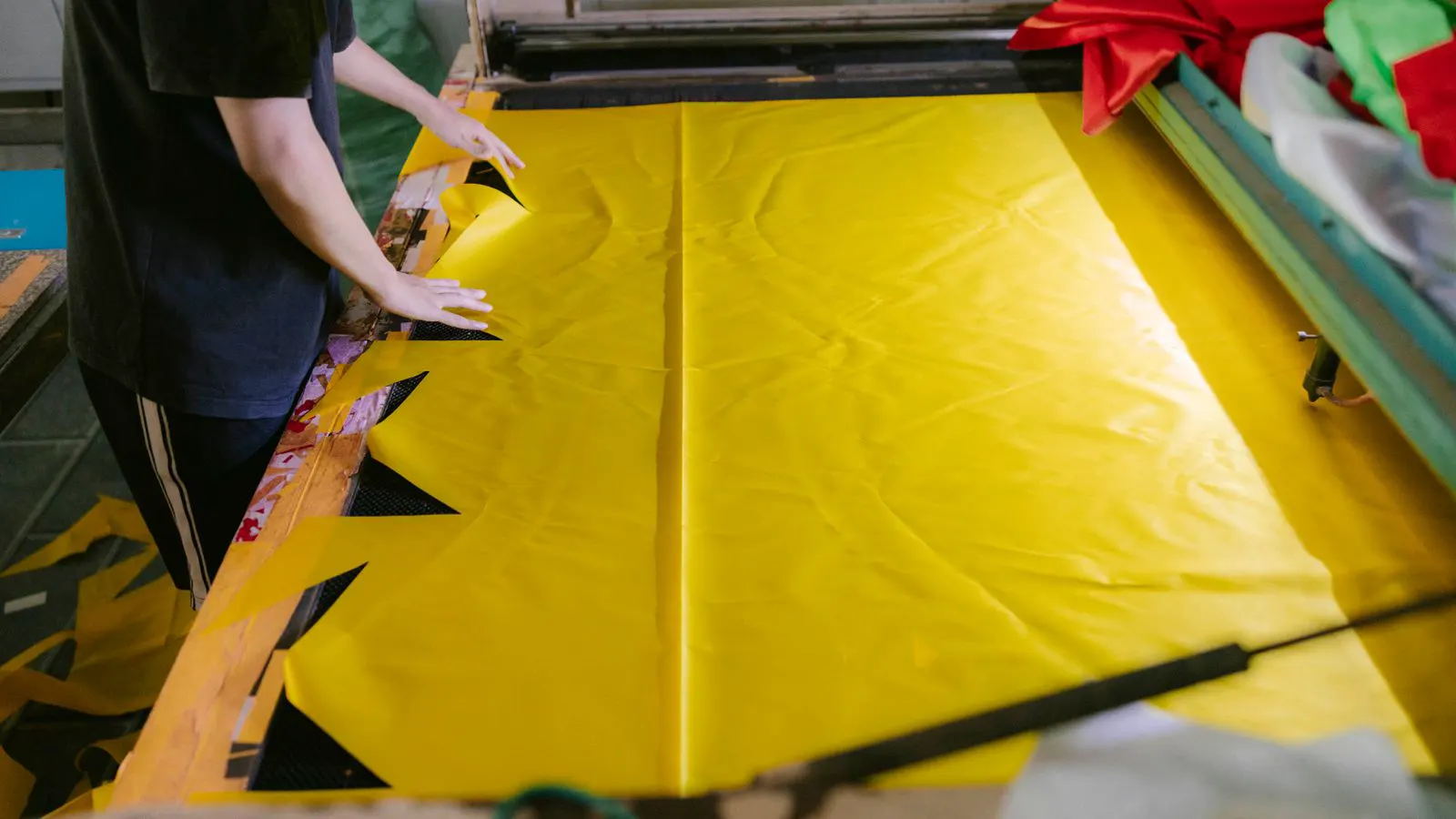
Spunbond nonwovens use continuous filaments extruded at higher temperatures and collected on a moving web. The filaments are thicker, typically in the micrometer range, and form a more open, mat-like structure. This creates larger voids between fibers but provides a stronger, more stable fabric. The extrusion process for spunbond involves drawing the molten polymer through a die and then through a series of air jets. These jets stretch the filament to the desired thickness. The resulting fabric looks like a felt or a coarse cloth. The fibers are usually oriented in the machine direction, which adds strength along that axis. This orientation makes spunbond suitable for applications where the fabric must resist stretching or tearing. The open structure allows air to pass through with low resistance, making it ideal for pre-filters or support layers in filtration systems.
The structural difference drives most performance differences in filtration. Meltblown webs trap particles by interception, impaction, and diffusion. The small pores force particles to hit fibers or settle out of the airflow. Spunbond webs rely more on mechanical capture and depth filtration. Particles are caught by the physical structure of the mat. This difference means that meltblown fabrics are better for high-efficiency capture of tiny particles, while spunbond fabrics are better for handling larger debris without clogging.
Performance in Filtration Applications
Filtration nonwovens are selected based on three main axes: particle capture efficiency, pressure drop, and service life. These three factors are often in conflict. Increasing capture efficiency usually increases pressure drop. Reducing pressure drop usually requires larger pores, which lowers efficiency. Service life depends on how quickly the filter clogs and how much mechanical stress the fabric can withstand.
Meltblown nonwovens excel at capturing fine particles. The small pore size and high fiber density increase the probability that particles will encounter a fiber. This makes meltblown materials well-suited for fine dust, aerosols, and sub-micron particulates. The trade-off is pressure drop. As the web loads with particles, the pores fill up and airflow resistance rises quickly. The rate of pressure increase depends on the initial porosity of the web. A denser meltblown web starts with less airflow resistance but reaches its clogging point faster. A lighter web may start with higher resistance but can sometimes hold more particles before the pressure becomes critical.
Spunbond nonwovens handle coarse particles more effectively. The larger pores allow higher air velocity before clogging begins. They also resist mechanical damage better, which matters in industrial environments where fabric may be exposed to vibration, handling, or mechanical stress. The continuous filaments provide tensile strength that meltblown fibers lack. If a spunbond fabric is used as a support layer, it can hold the shape of the filter media and prevent collapse under vacuum or positive pressure.
The table below summarizes the core trade-offs.
| Option | Best for | Limitations |
|---|---|---|
| Meltblown nonwovens | Fine particle filtration, high-efficiency capture, small pore size applications | Higher pressure drop, lower mechanical strength, shorter service life under heavy loading |
| Spunbond nonwovens | Coarse particle filtration, structural support, pre-filters, load-bearing applications | Lower efficiency for fine particles, larger pore size, less effective for sub-micron capture |
| Meltblown-spunbond laminate | Balanced filtration depth, reduced pressure drop, improved mechanical stability | More complex supply chain, higher cost, requires precise lamination |
| Spunbond-meltblown laminate | Structural base with fine capture surface, durable filtration media | Cost increases with layer complexity, performance depends on layer adhesion |
| Nonwoven blend with chemical treatment | Specialized filtration, moisture resistance, or fire-retardant requirements | Treatment adds cost, may reduce breathability, requires supplier verification |
Choosing Between Meltblown and Spunbond for Filtration
The selection decision starts with the particle size distribution in the inlet air or fluid. If the target includes sub-micron particles, meltblown materials are usually the primary capture layer. If the inlet contains coarse dust, fibers, or debris, spunbond materials work better as the first stage. The particle size distribution is a key parameter. In many industrial settings, the air contains a mix of large chips and fine dust. If you use only meltblown, the large chips will impact the web and potentially damage the fine structure. If you use only spunbond, the fine dust will pass through, failing to meet the emission or quality standards.
For industrial air filtration, a common approach is to use spunbond as a pre-filter or support layer and meltblown as the fine capture layer. This reduces the load on the meltblown web and extends service life. The spunbond layer catches the coarse particles, which are easier to remove and do not clog the fine pores as quickly. For medical filtration, meltblown is often the dominant material because of its fine pore structure and ability to meet specific particle capture requirements. In these applications, the meltblown web is often the only filtration layer, or it is combined with a spunbond support to maintain the shape of the mask or filter.
The application determines whether efficiency or pressure drop should drive the choice. High-efficiency filtration usually accepts a higher pressure drop to capture more particles. High-velocity applications, such as ventilation or industrial exhaust, often require lower pressure drop even if it means slightly lower capture efficiency. For example, a HVAC system needs to move a large volume of air with minimal energy cost. If the filter pressure drop is too high, the fan consumes more power and the system may not deliver enough air. In this case, a spunbond pre-filter or a lighter meltblown web might be preferred to keep the pressure drop within the system limits.
Supplier Comparison for Filtration Nonwovens
When comparing suppliers, do not rely on material name alone. Two suppliers may both list “meltblown nonwoven” while delivering very different fiber diameters, web densities, and basis weights. A supplier comparison must include technical data sheets, batch certificates, and sample testing. The technical data sheet should specify the polymer type, fiber diameter range, basis weight, and thickness. The batch certificate confirms that the material in the sample matches the specifications. Sample testing verifies that the material performs as claimed under real conditions.
Key supplier parameters to request:
- Fiber material and grade. Polypropylene is common in filtration. Other polymers exist, but polypropylene is the baseline for most standard filtration nonwovens.
- Fiber diameter range. Meltblown fiber diameter directly affects pore size and pressure drop. Spunbond filament diameter affects strength and airflow.
- Web thickness and basis weight. A thicker meltblown web may improve capture but increase pressure drop. A heavier spunbond web improves durability but reduces airflow.
- Porosity or open area. This gives a rough indication of airflow resistance.
- Batch consistency. Filtration media is often used in high-volume production. Variability between batches can change filter performance.
- Lamination quality. If you need a laminate, ask how the layers are bonded, what the bond strength is, and whether the bond holds under thermal or mechanical stress.
- Certification and documentation. Request material safety data sheets and any relevant material declarations. For regulated applications, ask about traceability and lot testing.
A practical first step is to request three sample lots from each shortlisted supplier. Test each lot under the same conditions. Compare pressure drop at a defined airflow, capture efficiency at defined particle sizes, and mechanical strength. Do not assume that a lower cost sample performs identically to a higher cost sample. Cost is often driven by production speed and material grade. A faster production line may produce fibers with a wider diameter range, which affects performance. A higher grade polymer may produce more consistent fibers, which improves filtration stability.
Practical Selection Scenarios
Scenario 1: Fine dust filtration in a controlled environment.
Use meltblown as the main capture layer. The fine fiber network gives better capture of small particles. Accept a higher pressure drop if the system can handle it. Consider adding a spunbond pre-filter to protect the meltblown layer from coarse debris. In this scenario, the air is already relatively clean, but the goal is to remove the remaining fine dust. The meltblown web captures these particles effectively. The spunbond pre-filter acts as a shield, catching any occasional larger particles that might otherwise damage the fine web.
Scenario 2: Coarse industrial dust with high airflow.
Use spunbond as the primary media. It handles coarse particles well and maintains airflow better under heavy loading. Add a meltblown layer if fine particle capture becomes necessary. Here, the air is dirty with large particles. The spunbond web catches these particles without clogging quickly. If the application requires removing some fine dust, a thin meltblown layer can be added on the downstream side. This combination balances airflow and capture.
Scenario 3: Medical or personal protection filtration.
Meltblown is the standard capture material because of its fine pore structure. Look for suppliers with consistent fiber diameter and web density. Batch consistency matters more than any single performance number. In medical applications, the filter must perform consistently across every unit. A batch that performs well but varies significantly from another batch can lead to product failures. The supplier must demonstrate stable production processes that maintain tight tolerances on fiber diameter and web weight.
Scenario 4: Moisture exposure or chemical exposure.
Material selection shifts toward polymer resistance. Polypropylene is the baseline, but the web structure must remain stable. A laminate can help if one layer is selected for chemical resistance and the other for filtration efficiency. For example, a filter exposed to humid air might need a water-repellent treatment on the meltblown layer. Or a filter exposed to a chemical might need a polyethylene layer for resistance. The laminate structure allows different functions for different layers, maximizing performance.
Common Selection Mistakes
A frequent mistake is choosing meltblown solely because it captures fine particles. If the inlet air contains coarse dust, the meltblown layer clogs quickly and pressure drop rises. A spunbond pre-filter reduces that problem. The coarse dust impacts the meltblown web, creating localized clogs that increase resistance. These clogs are hard to remove and force the filter to be replaced early.
Another mistake is ignoring web thickness. A thicker meltblown web may show better capture in a small sample test but perform poorly at full airflow. Always test at the operating airflow rate. In a small test chamber, the airflow velocity may be low, so the thick web performs well. In the actual system, the airflow velocity is higher, and the thick web creates excessive pressure drop. The test must reflect the real operating conditions to be useful.
A third mistake is comparing suppliers by price per square meter without checking basis weight. A lighter meltblown web may cost less per square meter but deliver weaker performance. A heavier spunbond web may cost more but last longer under load. Price per square meter is a misleading metric if the basis weights differ. A supplier offering a lighter web at a low price may provide a material that clogs quickly, leading to higher replacement costs. A supplier offering a heavier web at a higher price may provide a material that lasts longer, reducing overall cost.
Finally, avoid assuming that a single material type solves the whole filtration problem. Most real filtration systems use more than one layer. The best solution is often a combination of spunbond and meltblown, selected for balance rather than maximum efficiency in one direction. A single layer of meltblown may be too fragile. A single layer of spunbond may be too inefficient. A laminate combines the strengths of both.
Final Selection Checklist
Before placing an order, confirm the following:
- Particle size distribution in the inlet stream.
- Required capture efficiency and acceptable pressure drop.
- Service life expectation under normal loading.
- Mechanical handling conditions.
- Environmental conditions, including temperature, humidity, and chemicals.
- Supplier batch consistency and testing records.
- Sample performance at actual operating airflow.
- Lamination quality if using a composite fabric.
The right choice is not always the highest-efficiency material. It is the material that holds performance over the expected service life while staying within the system pressure budget.
Frequently asked questions
Can I use spunbond alone for fine particle filtration?
Spunbond can capture coarse particles, but it is not ideal for fine or sub-micron filtration. Meltblown is usually needed for fine particle capture.
Does a meltblown-spunbond laminate always outperform a single meltblown layer?
Not always. The laminate improves structural stability and can reduce pressure drop, but it adds cost and complexity. The benefit depends on the application.
How should I test supplier samples for filtration?
Test pressure drop at operating airflow, capture efficiency at target particle sizes, and mechanical strength. Compare at least three batches from the same supplier.
Is polypropylene the only option for filtration nonwovens?
Polypropylene is the most common baseline, but other polymers exist. Choose based on chemical resistance, temperature range, and application requirements.
How do I know if a supplier's meltblown web is consistent?
Request fiber diameter, basis weight, and web thickness data across multiple lots. Check for variation. Consistency matters as much as average performance.